
A decade of hard won insights I wish I’d known before I crossed India by Motorcycle
India is one of the greatest motorcycle playgrounds on earth. High mountains. Coastal highways. Jungle backroads. Desert tracks. Wild cities. Slow villages. Every day brings something new.
If you’re flying in from the UK, Europe or the US and planning your first ride, this guide is your starting point. I’ve spent years riding India on Royal Enfields and this is the advice I wish I had on day one.
It’s clear, simple and built from real experience on the road.
Travelogue: India by Motorcycle

Why Ride India in the First Place
India gives you more variety in one month than most countries give you in a year.
One day you’re on a high pass at 5,000 metres.
The next you’re rolling through dusty towns where chai appears before you can remove your helmet.
And all of it is rideable on simple, affordable machines you can fix anywhere.
For a first-time visitor, here’s the good news: India looks chaotic, but it has a rhythm. Once you tune in, riding becomes natural.
Resource: How To Plan An Epic All-India Motorcycle Adventure
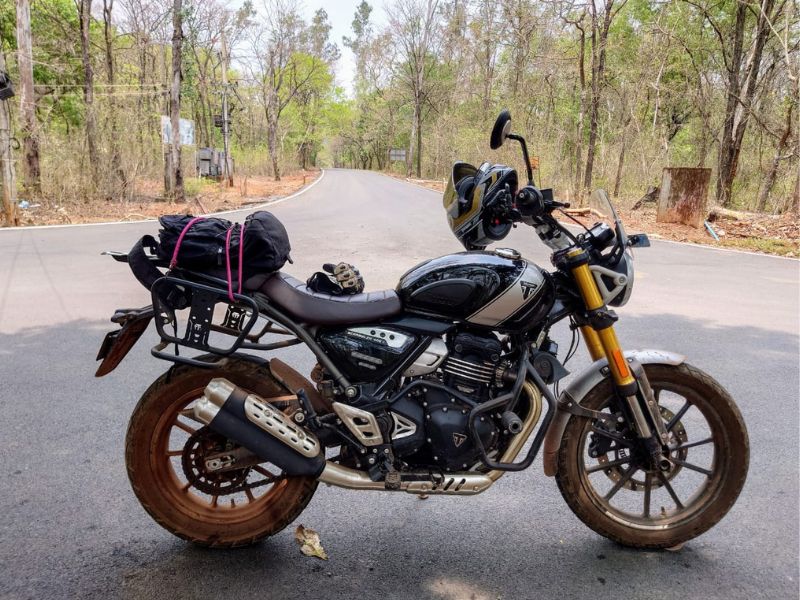
Is Riding in India Safe?
Short answer: yes, if you ride with awareness.
India is not dangerous. It’s different.
Traffic works on flow. Everything moves. Everyone assumes you’ve seen them. People do not sit in lanes. They create their own space.
The rules:
- Ride slow in towns. Everyone else does.
- Expect the unexpected. Dogs, cows, cars, trucks, tractors, goats and monkeys
- Use your horn. It’s not rude. It’s communication.
- Stay visible. High-viz tape works wonders.
- Do not ride at night. There’s nothing to prove.
Ride with humility and you’ll be fine.
Travelogue: My Experience Riding The Himalayas On A Royal Enfield

Do You Need a Licence to Ride in India?
Yes. You need:
- A full motorcycle licence from your home country.
- An International Driving Permit (IDP).
The IDP is the piece you’ll be asked for by police and rental companies.
Where to get it:
- UK: Post Office
- EU: Local licensing authorities
- US: AAA or AATA
Carry paper copies. Keep a photo on your phone. It saves hassle.
Resource: How to Apply for an International Driving Permit (IDP) in the UK

What Bike Should You Ride?
For most foreign riders, the choice is simple:
Royal Enfield Himalayan 411
Comfortable. Predictable. Perfect for the Himalayas.
Test Ride: Royal Enfield Himalayan 411 Expedition Review: Is It a Reliable Adventure Bike?
Royal Enfield Classic 350
Easy to ride. Great for plains, towns and slow travel.
Royal Enfield Meteor or Hunter 350
Smooth and simple for shorter trips.

Royal Enfield Bear 650
Brilliant for long days and loaded touring.
Test Ride: Royal Enfield Bear 650 Review: Retro Scrambler First Ride
Royal Enfield Himalayan 450
Robust, rugged and ready to roll. I’ll take a RE 450 for my next trip.
Test Ride: Royal Enfield Himalayan 450 Review 2025: The Ultimate Budget Adventure Bike?
If in doubt, rent a Himalayan 411. It’s built for Indian roads and has the right balance of power, comfort and simplicity.

Where to Rent a Motorcycle in India
The main hubs are:
- Delhi
- Manali
- Leh
- Goa
- Rishikesh
- Guwahati
You’ll find plenty of rental shops in each. The key is to:
- Check tyres and chain
- Test brakes
- Take photos of every scratch
- Get WhatsApp contact for the owner
- Make sure the bike comes with valid insurance
If you’re new to India, start in Goa for a south itinerary or Manali for a Himalyan adventure. Both are relaxed and rider-friendly.
Travelogue: My Life-Affirming Motorcycle Adventure to Ancient Himalayan Kingdoms
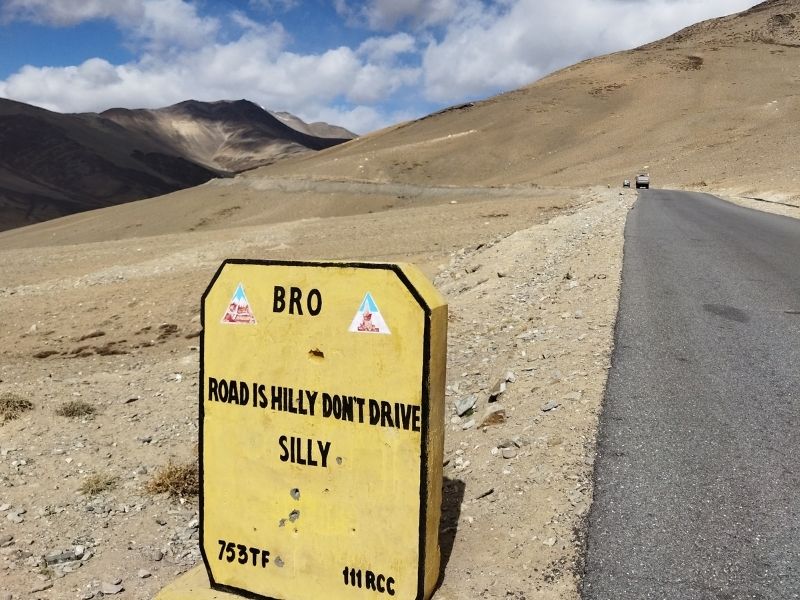
Understanding Indian Traffic (The Fast Version)
Traffic works on eye contact, body language and flow. It is not aggressive. It’s cooperative.
- Slow is safe.
- Predictability is respected.
- Horn = “I’m here”
- Flashing headlights = “I’m passing”
- Overtake only when you’re certain everyone sees you.
Once you stop thinking like a western rider and start riding with the local rhythm, everything becomes easier.

Essential Gear for Riding India
You don’t need much. You need the right things.
- Helmet with clear visor ( I prefer a touring or Moto X style* with a visor)
- Armoured jacket
- Gloves x 3 (Thermal / heated for mountains / light armoured for daily use)
- Waterproof layer
- Boots with ankle protection
- Bungee cords or ROK straps
- Basic tools: tyre levers, spare tubes, clutch cable, spark plug, fuses
- A simple first aid kit
India has mechanics everywhere. What you bring should cover the basics between towns.
Resource: My Essential Motorcycle Trip Packing List For All Terrain Expeditions

Road Types You’ll Encounter
Highways
Fast, wide, busy. Keep to the left. Expect everything.
Mountain Roads
Narrow, steep, often broken. Rewarding but demanding.
Village Lanes
Slow, charming, full of animals and life.
Forest Roads
Quiet and peaceful. Watch for wildlife and trucks.
City Streets
Controlled chaos. Stay calm. Stay predictable.

When to Ride India
This depends on your route.
- Himalayas: June to September
- Northeast: October to April
- Rajasthan & Central India: November to February
- Coastal routes (Goa, Kerala): October to March
If you want mountain views, come early. If you want easy riding, come later.

How Much Experience Do You Need?
More than zero. Less than you think.
If you can:
- Ride confidently at 40–60 mph
- Handle slow manoeuvring
- Stay calm in traffic
…you can ride India.
It’s not about speed. It’s about patience.
Planning Your First Route
Start with something simple:
Option 1: Goa Coastal Loop
Warm-up. Easy roads. Great food. Perfect for day rides.
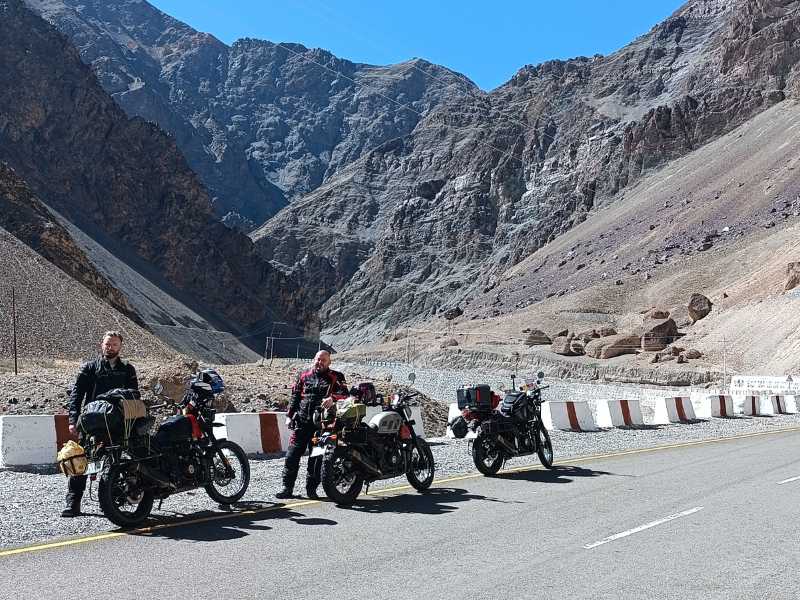
Option 2: Manali to Keylong Introduction
A taste of Himalayan riding without the extreme altitude of Ladakh.
Option 3: Rajasthan Fort Loop
Jaipur – Pushkar – Jodhpur – Jaisalmer. Big skies. Quiet roads. Fascinating culture.
Start small. Get used to the rhythm. Then go big.

Should You Join a Guided Tour?
If it’s your first time in India, a guided tour can save you stress and give you confidence before tackling the country solo.
I run small-group tours in the Himalayas for riders who want adventure without the admin. They’re ideal if you:
- Want to ride big mountains
- Don’t want to deal with permits and mechanics
- Prefer a support vehicle
- Want a curated, safer experience
- Enjoy riding with a small crew
But India is also perfect for solo travel. Pick what fits your personality.

Final Thoughts: India Rewards the Patient Rider
India gives back what you give it. If you arrive curious, open and willing to slow down, the road will treat you well.
Ride with respect. Watch the flow. Drink the chai. Stop for the views. Take your time.
India isn’t a race. It’s an experience.
Next Steps
If you’re planning your first ride in India:
- Read my day out at Motoverse HillTop Goa
- See my long-term Royal Enfield Thunderbird review
- Explore and enjoy Funny Indian Road Signs
- Or join one of my Himalayan motorcycle tours
The journey starts here.
FAQs: Riding a Motorcycle in India
Is it safe to ride a motorcycle in India?
Yes, if you ride with awareness. India looks chaotic, but it runs on a clear rhythm. Keep your speed sensible, stay visible, avoid riding at night and anticipate the unexpected. Most incidents come from rushing, not from India itself.
Do I need a licence to ride in India?
Yes. You need your full motorcycle licence from home and an International Driving Permit. Police and rental shops will ask for it. Always carry paper copies and a photo on your phone.
Can foreigners rent a motorcycle in India?
Absolutely. Rentals are common in Delhi, Manali, Leh, Goa, Rishikesh and Guwahati. Choose a reputable shop, check the tyres and brakes, and photograph the bike before riding away.
What is the best motorcycle for India?
The Royal Enfield Himalayan 411 is ideal for mountains and mixed terrain. The Classic 350 is perfect for slower touring and city riding. The Meteor, Hunter and Bear 650 are great for smoother long-distance travel.
Is traffic really that crazy?
It’s different, not crazy. Traffic works on flow, eye contact and cooperation. Everyone moves. Everyone expects you to be aware. Once you stop fighting the pattern and go with it, the stress disappears.
Do I need travel insurance to ride in India?
Yes. Choose a policy that covers motorcycle riding above 125cc and includes medical evacuation. Many cheap policies exclude motorbikes. Read the small print.
Do I need permits to ride in the Himalayas?
Yes for certain areas. Ladakh, parts of Sikkim and Arunachal Pradesh require Inner Line Permits. They’re easy to arrange, and a good rental or tour operator can help with the process.
What is the best time to ride the Himalayas?
June to September. Outside those months the high passes are often closed due to snow. Northeast India is best from October to April. Coastal routes work well from October to March.
How much experience do I need?
You should be comfortable riding at slow speeds, confident with basic handling and calm in busy traffic. You don’t need to be an expert. India rewards patience, not performance.
Is it better to join a guided tour or ride solo?
Both work. Guided tours are good for first-timers who want support, mechanical backup and easy logistics. Solo riding gives you full freedom but requires more planning. Choose based on your confidence level and time available.
What gear should I bring?
A good helmet, armoured jacket, gloves, boots and a reliable waterproof layer. Add simple tools, bungee cords, spare tubes and a basic first aid kit. India has mechanics everywhere, so you only need essentials.
Can I ride India on a big adventure bike?
You can, but it’s not ideal. Heavy bikes struggle on broken roads, narrow lanes and deep switchbacks. A Himalayan or Classic is far more enjoyable and much easier to fix.
How much does it cost to ride in India?
India is affordable. Expect spend on accommodation, food, fuel and the rental bike. A full breakdown depends on your route and season. I’m preparing a detailed cost guide for UK, US and EU riders.
Is night riding safe in India?
Not recommended. Visibility is poor, animals wander onto roads and trucks use inconsistent lighting. Daylight riding is safer and far more enjoyable.
What should I avoid while riding in India?
Fast overtakes, night riding, unpredictable moves, assuming other drivers have seen you, and riding tired or dehydrated. Keep it simple. Keep it steady.
