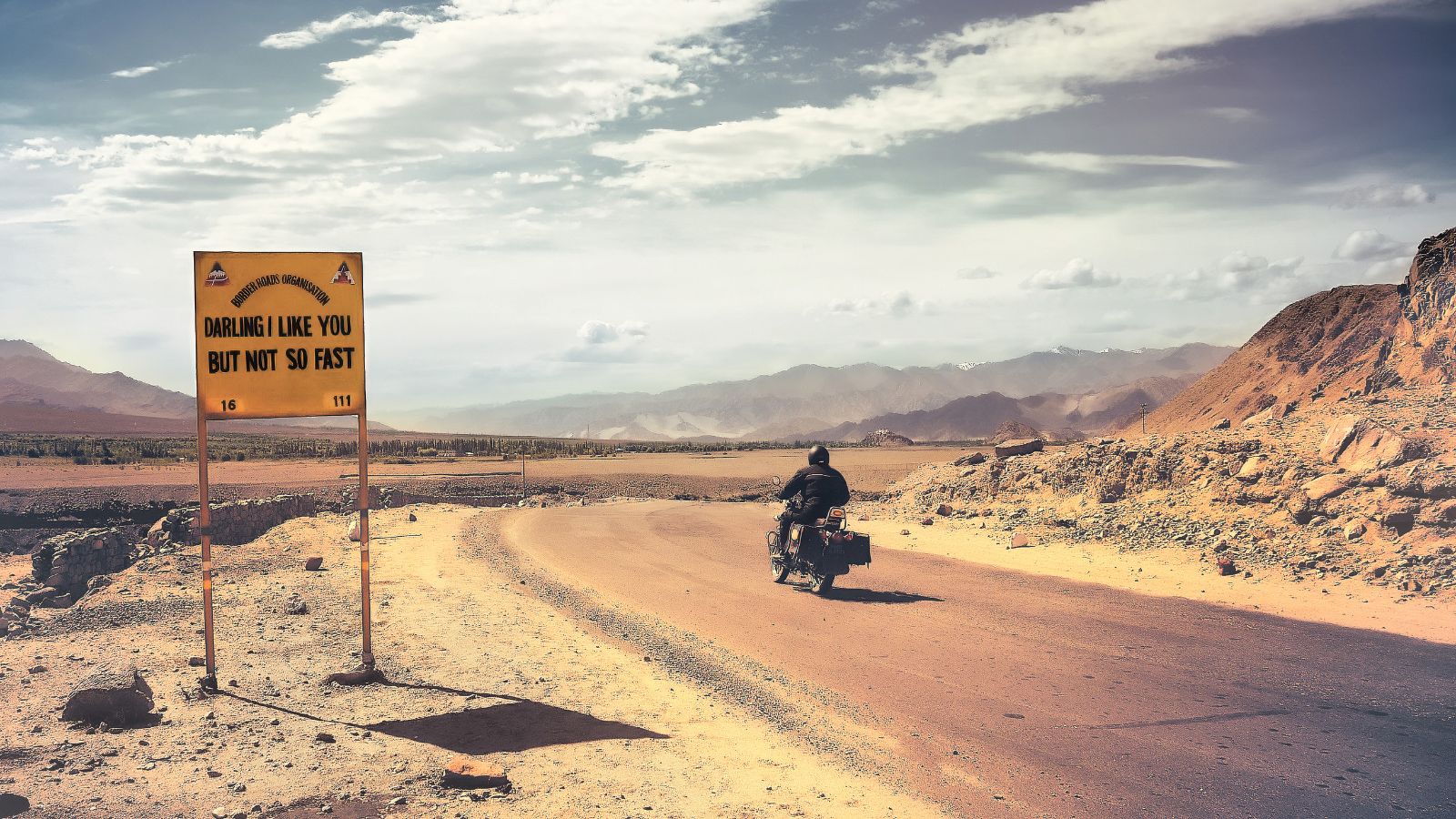
I’d cycled across India long before I got on a motorcycle. They are wildly different experiences. A bicycle is way down the pecking order and is a passive observer of the melee. A motorcycle is a different story – main character energy optional.
TLDR: Yes, riding a motorcycle in India is safe if you respect three things: the traffic, the altitude, and your own limits. The danger isn’t what most people imagine. It’s not bandits or bad roads. It’s overconfidence, dehydration, and riding tired at 4,000 metres. Eleven years in, solo and guiding others, here’s what I’ve actually learned.
The question behind the question
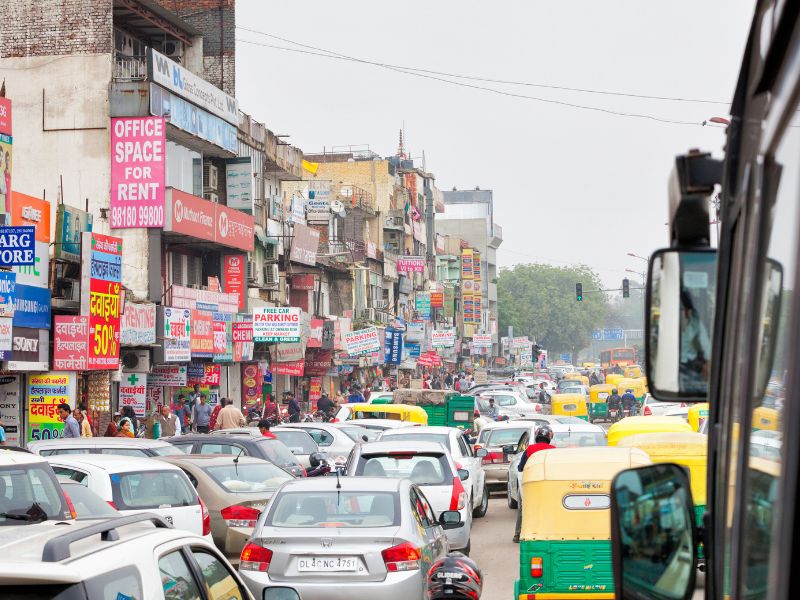
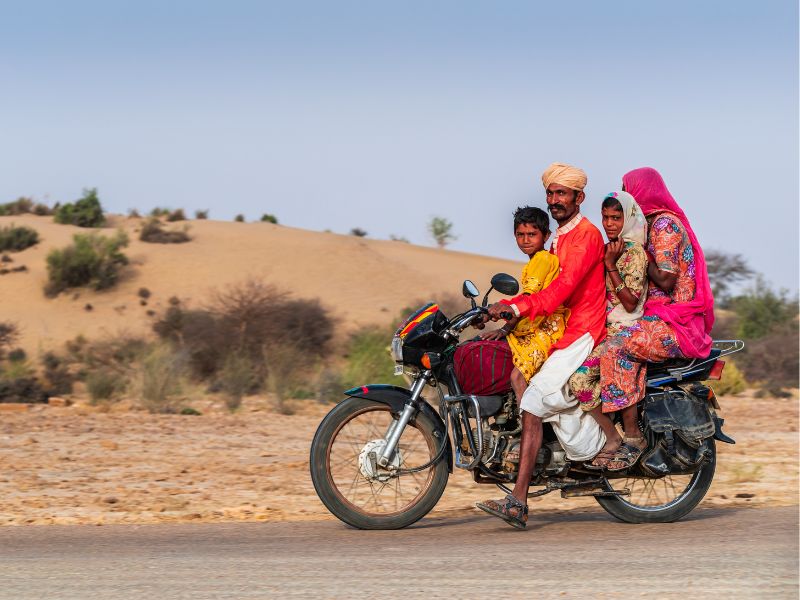
Nobody asks me if riding in France is safe. They ask about India because the idea of it looks chaotic from a photo: cows in the road, horns everywhere, mountains that look like they’d swallow a bike whole.
I get it. I asked the same question before my first ride out of Delhi, a decade ago. The honest answer took longer than one sentence, so here it is properly. A decent motorcycle helmet is essential as is most of this kit list.
What’s actually dangerous (and it’s not what you think)
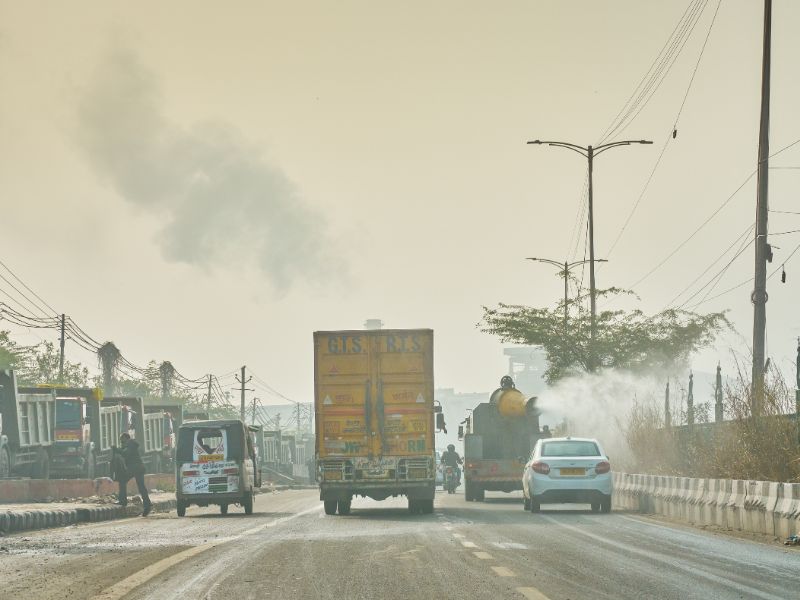
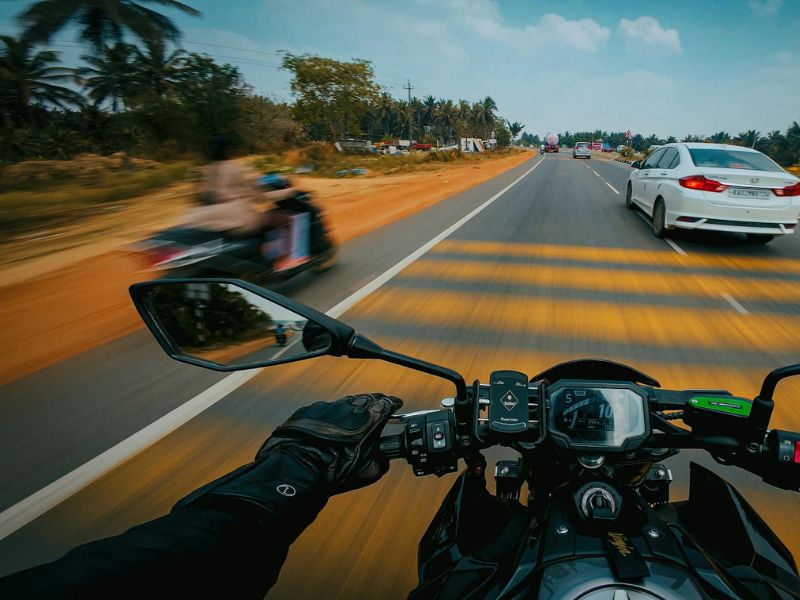
The traffic in Indian cities looks like anarchy. It isn’t. There’s a rhythm to it once you’re in it, and Indian drivers are constantly scanning, constantly communicating with horn taps that mean “I’m here,” not “get out of my way.”
The real risk in cities is going in expecting Western road rules and freezing when nobody follows them. Hesitation causes more near-misses than aggression does. Once you commit to a gap, commit.
Outside the cities, on the mountain roads I actually ride, the danger shifts entirely. It’s not other vehicles. It’s altitude sickness creeping in unnoticed at 4,500 metres. It’s a loose gravel switchback after rain. It’s riding six hours past when you should have stopped, because the light was good and the pass was close.
I’ve had exactly one proper scare in eight years, and it wasn’t a truck or a cliff edge. It was pushing on toward Rohtang La with a headache I told myself was nothing, because the hotel marked on the map didn’t actually exist and the dhaba was another hours ride. It was altitude, not asphalt, and it taught me more about risk management than anything before it.
What keeps you safe
None of this is complicated. It’s just consistent.
Ride to the road, not the plan. If the pass is icy or the light’s going, you stop. The itinerary bends. Your body doesn’t.
Respect altitude like it’s a weather system, not a number on a map. Headaches, nausea, breathlessness that doesn’t ease with rest: these aren’t things to push through. Descend first, ask questions later.
Learn the horn language early. A tap means “I’m here.” Use it the same way and half your near-misses disappear before they happen.
Check the bike every morning, not just when something rattles. Chain tension, tyre pressure, brake feel. Five minutes at the start of the day beats a roadside fix at 3,800 metres with no phone signal.
Carry more water and fewer assumptions. Dehydration at altitude sneaks up faster than you’d think, and it makes every other decision worse.
None of this is secret knowledge. It’s the same discipline any experienced rider applies anywhere. India just makes you apply it properly, because the terrain and altitude don’t forgive sloppiness the way a flat B-road back home does.
Solo or guided: what actually changes
I’ve done both. Solo, you carry every decision yourself: route, pace, what to do when the bike coughs at 4,000 metres with no workshop for eighty kilometres. It’s the deepest way to experience India, and it demands the most from you.
Guided strips out the logistics you don’t need to be learning on your first pass through the Himalayas. Permits, fuel planning, knowing which mechanic in which town actually knows Royal Enfields, knowing which stretch of road turns to soup after rain. That’s not romantic. It’s just useful, especially the first time.
Neither is “safer” in the way people mean when they ask. A well-prepared solo rider is safer than a complacent one in a group. What guiding actually buys you is fewer unknowns stacking up at once, which matters more than people expect when you’re also managing altitude and a bike you’ve never ridden before.
So, is it safe?
Safer than the traffic footage suggests. More demanding than a European touring holiday. Entirely manageable if you respect the mountain, not just the road.
I’ve guided riders who’d never touched a motorcycle outside their home country over Tanglang La through Ladakh and come out the other side buzzing, not battered. The preparation matters more than the nerve.
If you’re weighing up whether to do this solo or with a guide, my guide to planning an India motorcycle trip is a good next stop. And if you’re leaning toward not doing this alone the first time, I run two Himalayan routes: The Great Spiti Valley Motorcycle Adventure and The Great Himalayan Motorcycle Tour through Kashmir and Ladakh. Both routes I’ve ridden myself, more than once, long before I ever guided anyone else through them.